Blog
Antibody Discovery: Cell-Free Protein Synthesis vs CHO Guide
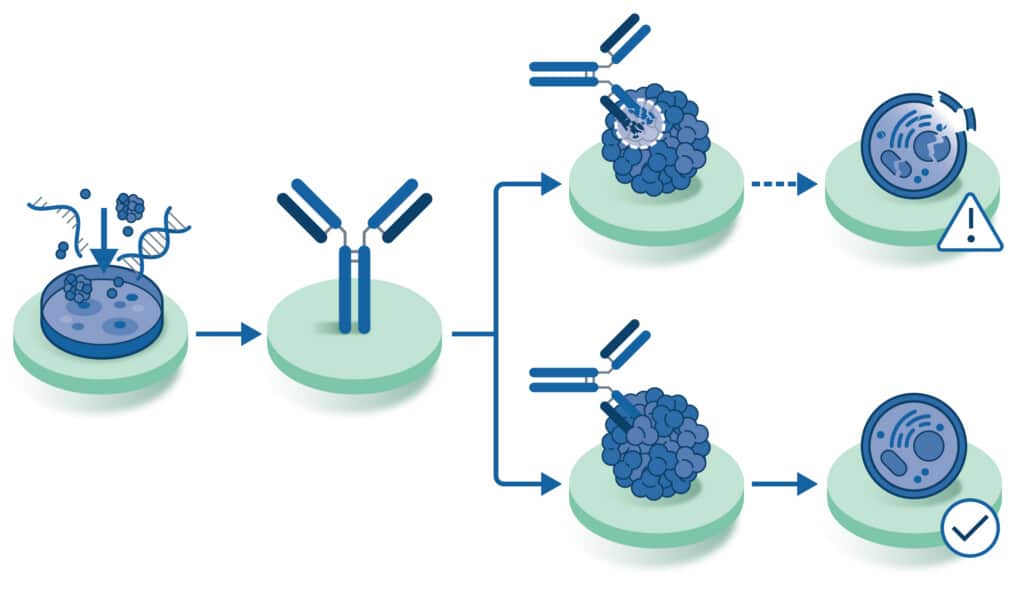
Antibody Discovery: Cell-Free Protein Synthesis vs CHO Guide Mammalian expression is the gold standard in antibody discovery for detailed kinetic profiling, functional assays, developability, and manufacturing-relevant scale-up. However, early-stage antibody discovery workflows often begin with a much narrower, binary question: Does this specific sequence express as a full-length IgG, and does it bind the…
Read MoreBuilt for AI Antibody Design. Accelerating the DBTL Cycle.
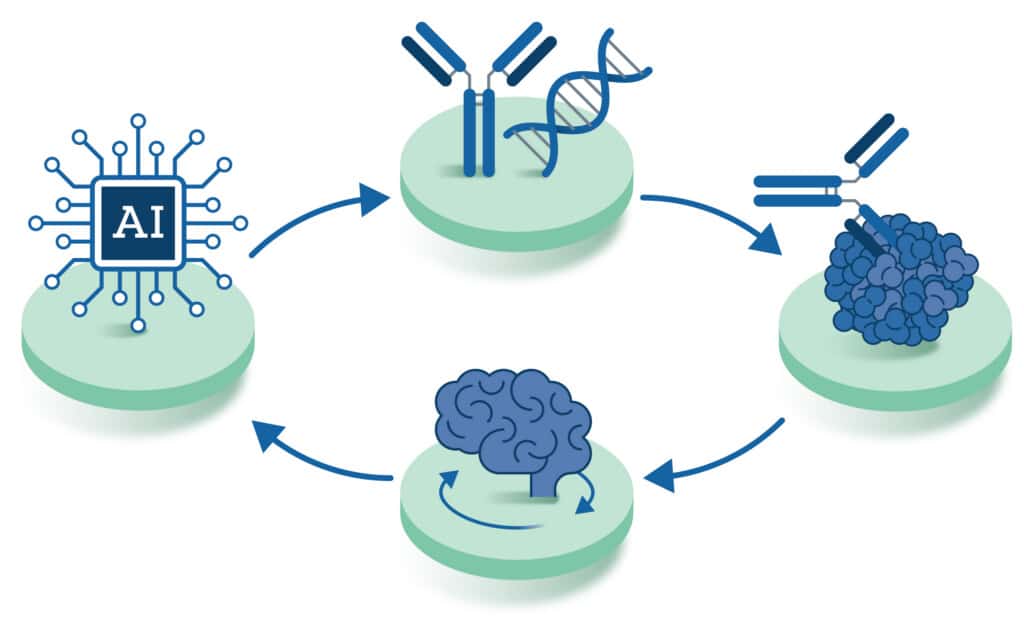
AI antibody design generates candidates faster than wet labs can validate them, creating a bottleneck in the Design-Build-Test-Learn (DBTL) cycle. Teams can model massive in silico libraries, but lack a rapid workflow to generate the physical evidence to classify which sequences express, bind, or fail. This creates a bottleneck in the DBTL cycle. The Design…
Read MoreOvercoming the AI Antibody Validation Bottleneck with Early Hit Triage

The Missing Triage Step in AI Antibody Discovery Artificial intelligence has fundamentally rewired the front end of antibody discovery. Today, generative models and zero-shot de novo design platforms can computationally generate and rank thousands, or even millions, of target-specific sequences in a fraction of the time it takes to run a traditional phage display campaign.…
Read MoreWebinar recap: Frank Bernhard’s Cell-Free Workflow for Cryo-EM–Ready Membrane Protein Complexes
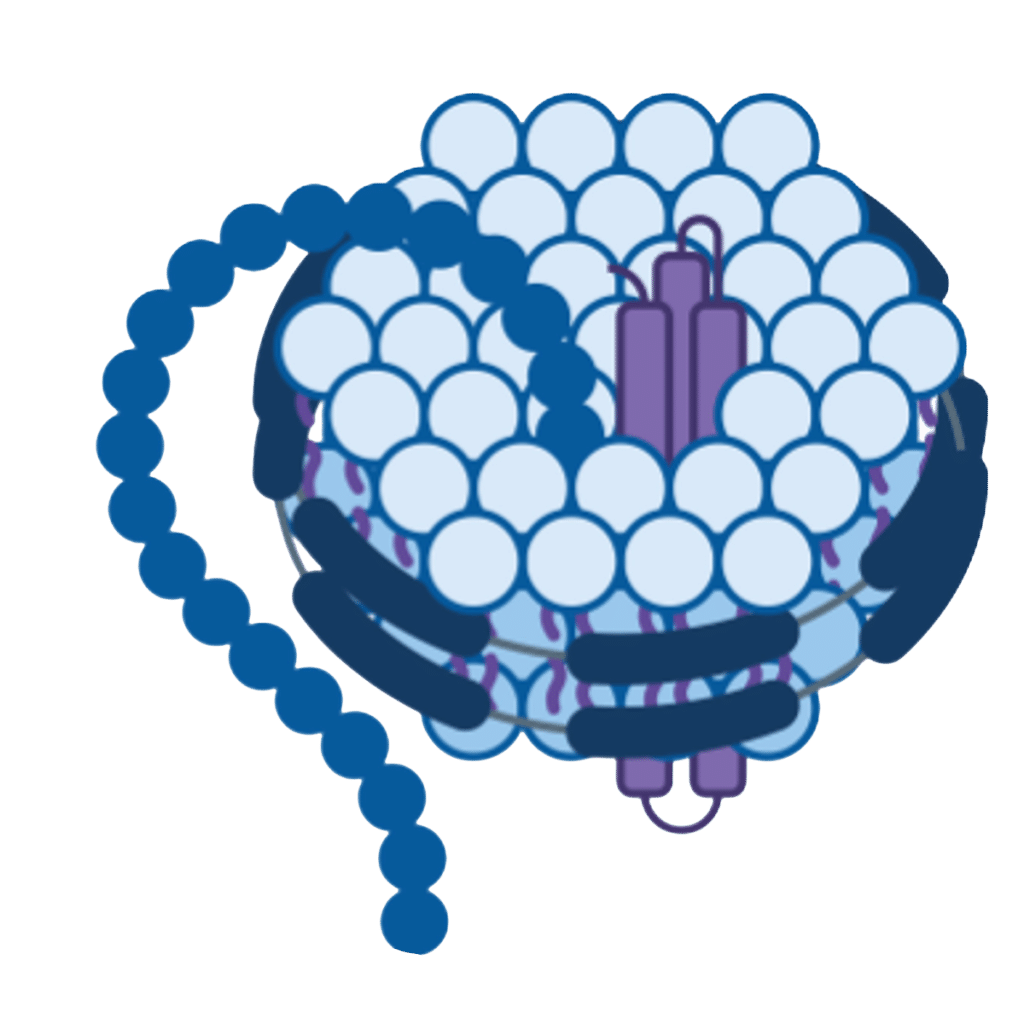
Webinar recap: Frank Bernhard’s Cell-Free Workflow for Cryo-EM–Ready Membrane Protein Complexes When dealing with complex G protein-coupled receptors (GPCRs), traditional cell-based expression of membrane proteins often results in toxicity, aggregation, or the need for heavy engineering just to get the protein to the membrane. Once in the membrane, detergent extraction removes the critical lipids GPCRs…
Read MoreA Faster Route to Active G-protein coupled receptors (GPCRs)
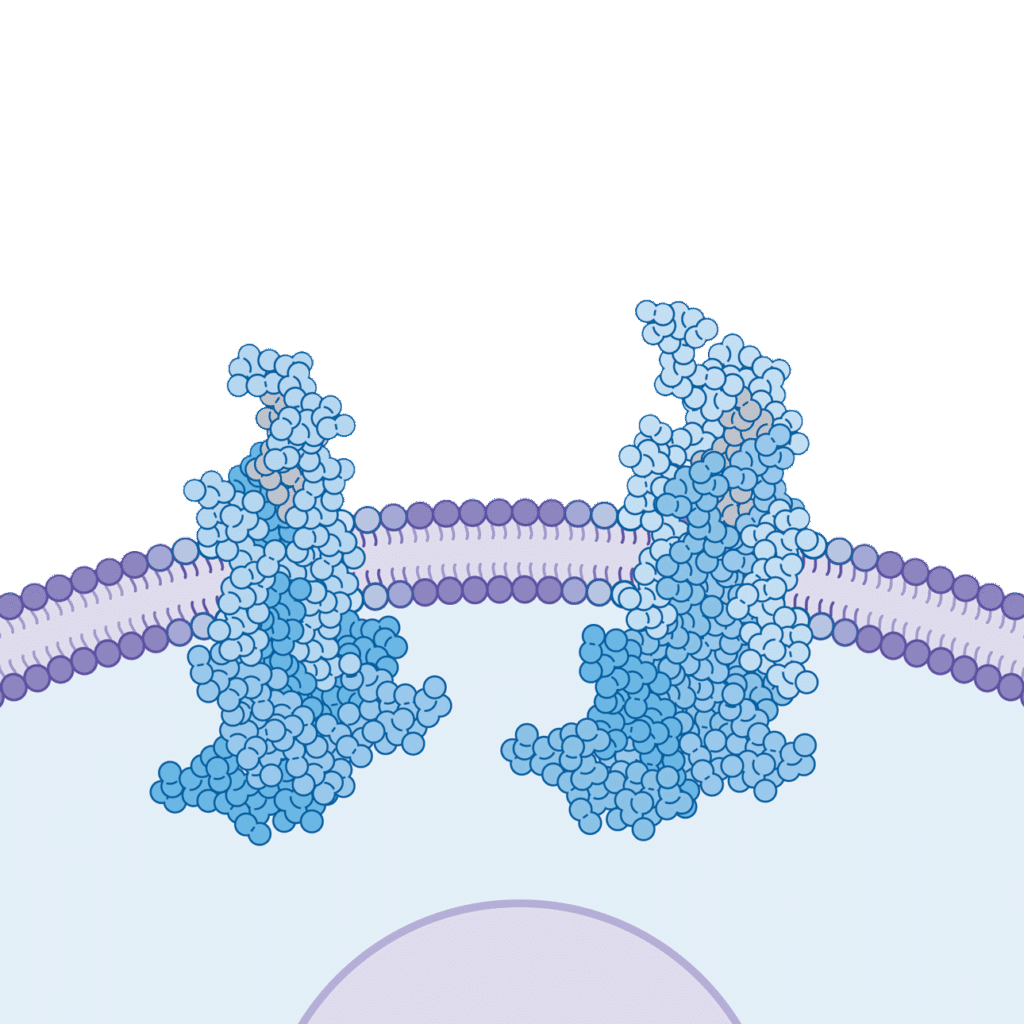
A Faster Route to Active G-protein coupled receptors (GPCRs) GPCRs account for roughly one-third of approved drug targets1, yet they remain among the hardest targets to produce in a purified, stable, active form. In this blog, we will explore why timelines slip at the “expression-to-function” step, and how cell-free protein synthesis paired with nanodiscs deliver…
Read MoreNanodiscs explained: a practical guide for membrane protein scientists
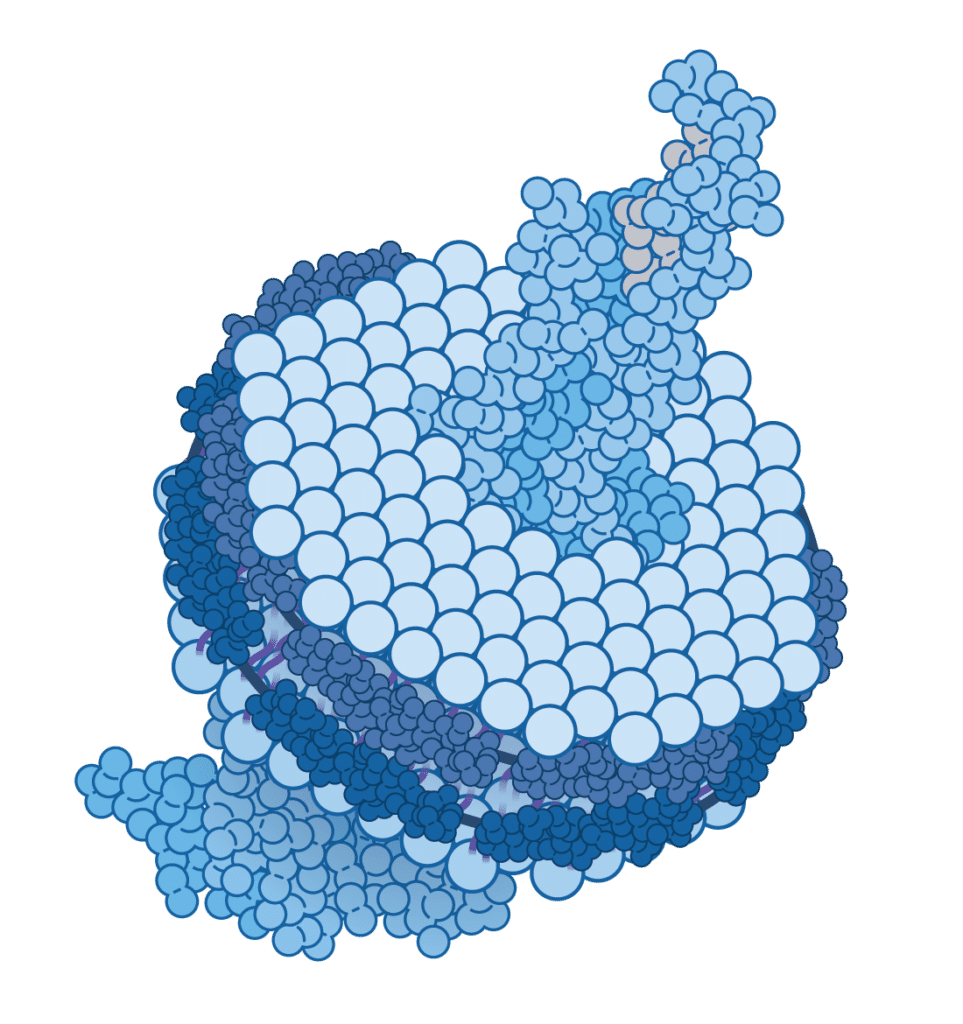
Membrane proteins account for 25–30% of the human proteome and represent over half of all FDA-approved drug targets1,2. Yet, while producing them for drug discovery, these proteins remain famously fragile during purification. While detergents can extract receptors and transporters, they strip away annular lipids and often push proteins into non-native conformations3. Nanodiscs solve this…
Read More